Anneke Eussen
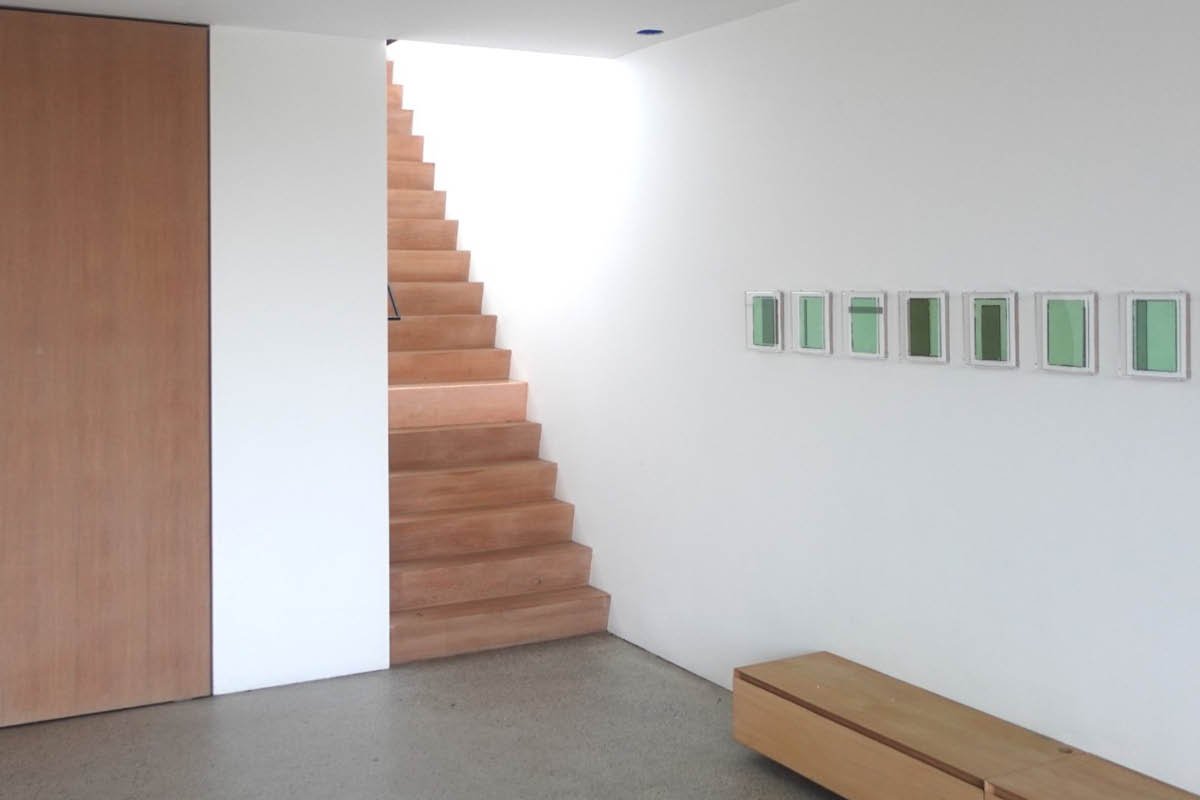
Of ze nu rechtstreeks aan de muur worden bevestigd of in een plexiglazen vitrine worden geplaatst, de formeel variërende, voorlopige constructies van gelaagde glaselementen van Anneke Eussen vormen een zelfreflexief voorstel dat de fysieke omstandigheden benadrukt waarin ze worden gemaakt, tentoongesteld en waargenomen. Door gerecycleerde, stoffige ruiten te combineren met onaangetaste, op maat gesneden exemplaren, is elke glasconstructie een dubbelspel, een onuitputtelijke tweerichtingsbeweging waarbij het kader, de glaselementen en de muur in elkaar overgaan en zich weer van elkaar losmaken. De heen-en-weerbeweging die Eussens glasconstructies uitvoeren, verleent hen een temporaliteit en verandert hun ruimte in een gebeurtenis in de tijd.
In de werken worden de presentatiemiddelen zelf tot gepresenteerde objecten; buiten wordt binnen, transparantie wordt ondoorzichtigheid. Eussens glasconstructies markeren de verschuiving van een transparant naar een opaak gezichtsveld en bijgevolg van een helder naar een ontoegankelijk zicht op de wereld.
De meeste stoffige glasruiten werden gevonden in een verlaten fabriek, wat het strikt fenomenologische karakter van de werken een narratieve dimensie verleent die de ervaring van het ‘hier en nu’ doordrenkt met aspecten van het ‘daar en toen’. Eussens glasconstructies deconstrueren niet alleen conventionele tentoonstellingswijzen, ze roepen ook de sporen op van de blikken die ooit door de gerecycleerde ruiten naar buiten keken en van de levens van degenen die erdoorheen zagen. In die zin zijn de gerecycleerde ruiten als relieken — sporen van wat lang verdwenen is — of eerder platte kristallen bollen die voorbije tijdsverlopen oproepen.
Bijna alle glasconstructies dragen een titel. De titels die Eussen kiest, kunnen dienen als een sleutel tot de betekenis van wat zich anders aan betekenis onttrekt. Voor een reeks van negen ingekapselde glasconstructies uit 2020, vervaardigd uit zowel stoffige als transparante ruiten, koos Eussen de titel Adding the Blank Pages. De titel definieert haar gelaagde composities als een handeling van toevoegen, verzamelen en opstapelen. Tegelijkertijd benadrukt hij de fundamentele leegte en het gemis die de glasconstructies verbeelden, door ze als blanco te beschrijven. Anderzijds duidt de titel de ruiten aan als pagina’s, dat wil zeggen als een potentieel medium van inscriptie. Als gelaagde pagina’s suggereert de reeks een gemeenschappelijke basis waaraan zij ooit — en misschien opnieuw — verbonden waren. Tegenwoordig wordt de term ‘blank pages’ eveneens geassocieerd met computerprogramma’s die tekstuele output genereren. In die zin laat hij toe Eussens glasconstructies te begrijpen als een materialisering van wat voordien virtueel was; als een reactie op de digitale communicatiesystemen waaraan wij onderworpen zijn.
Orry Dessau