History
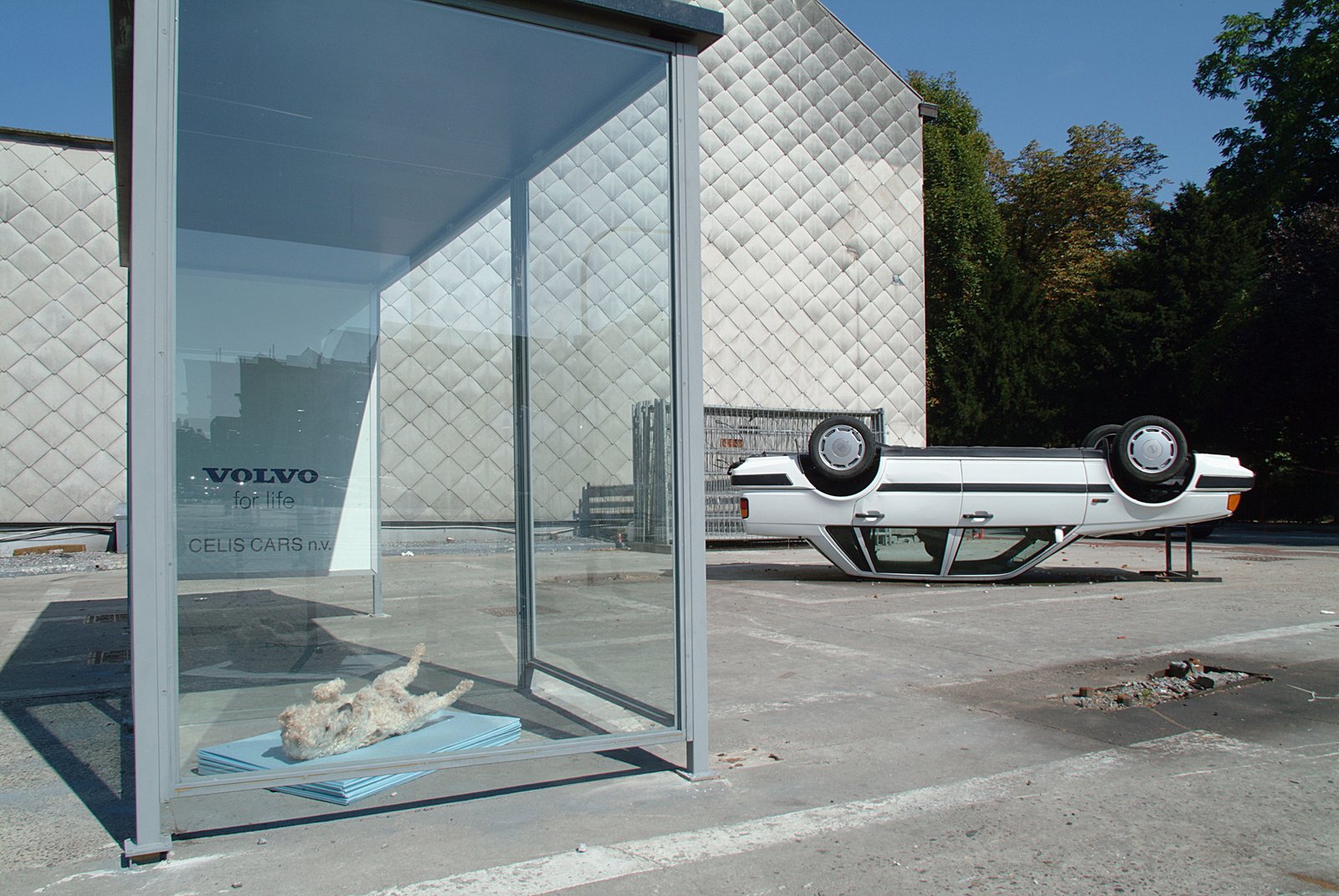
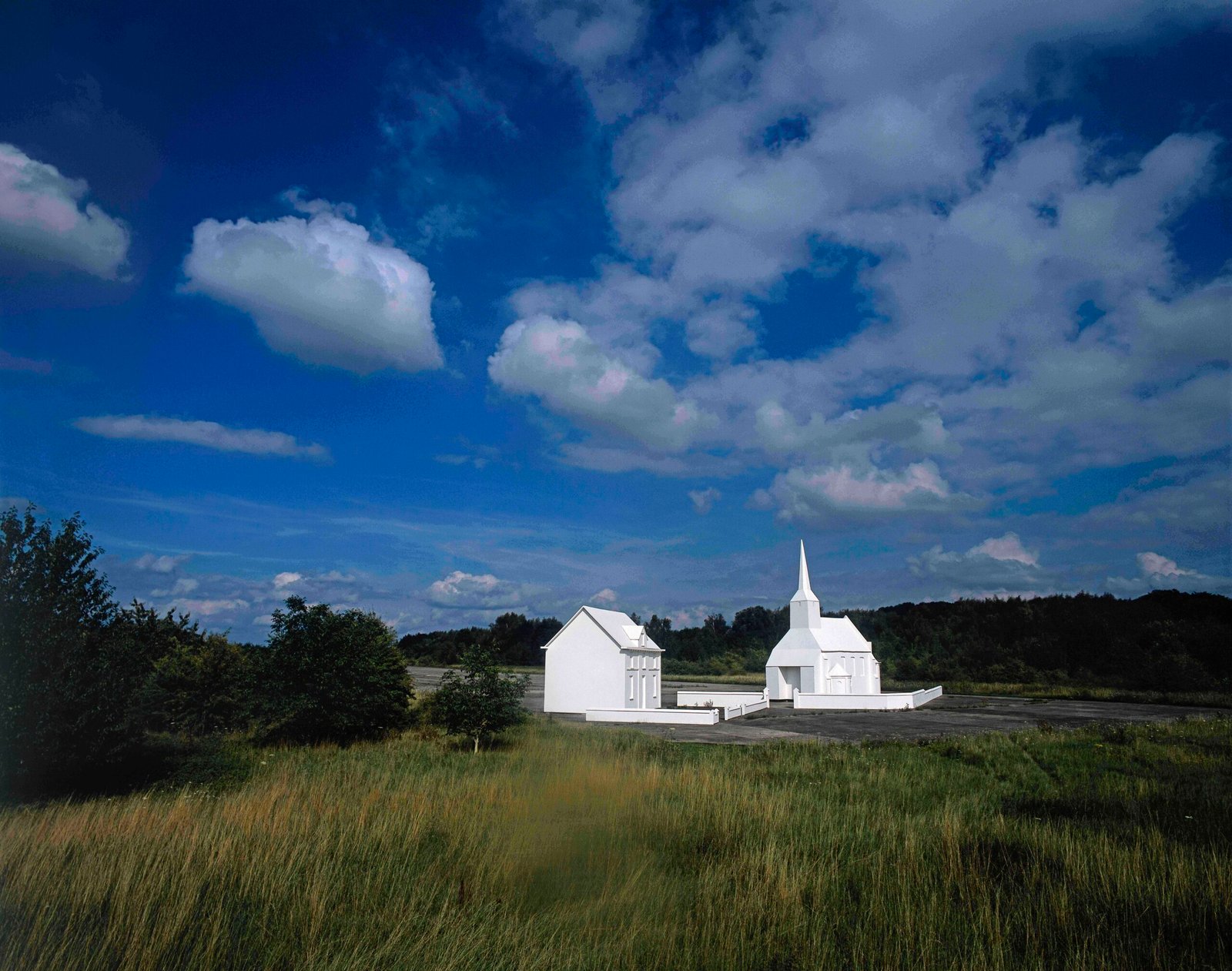
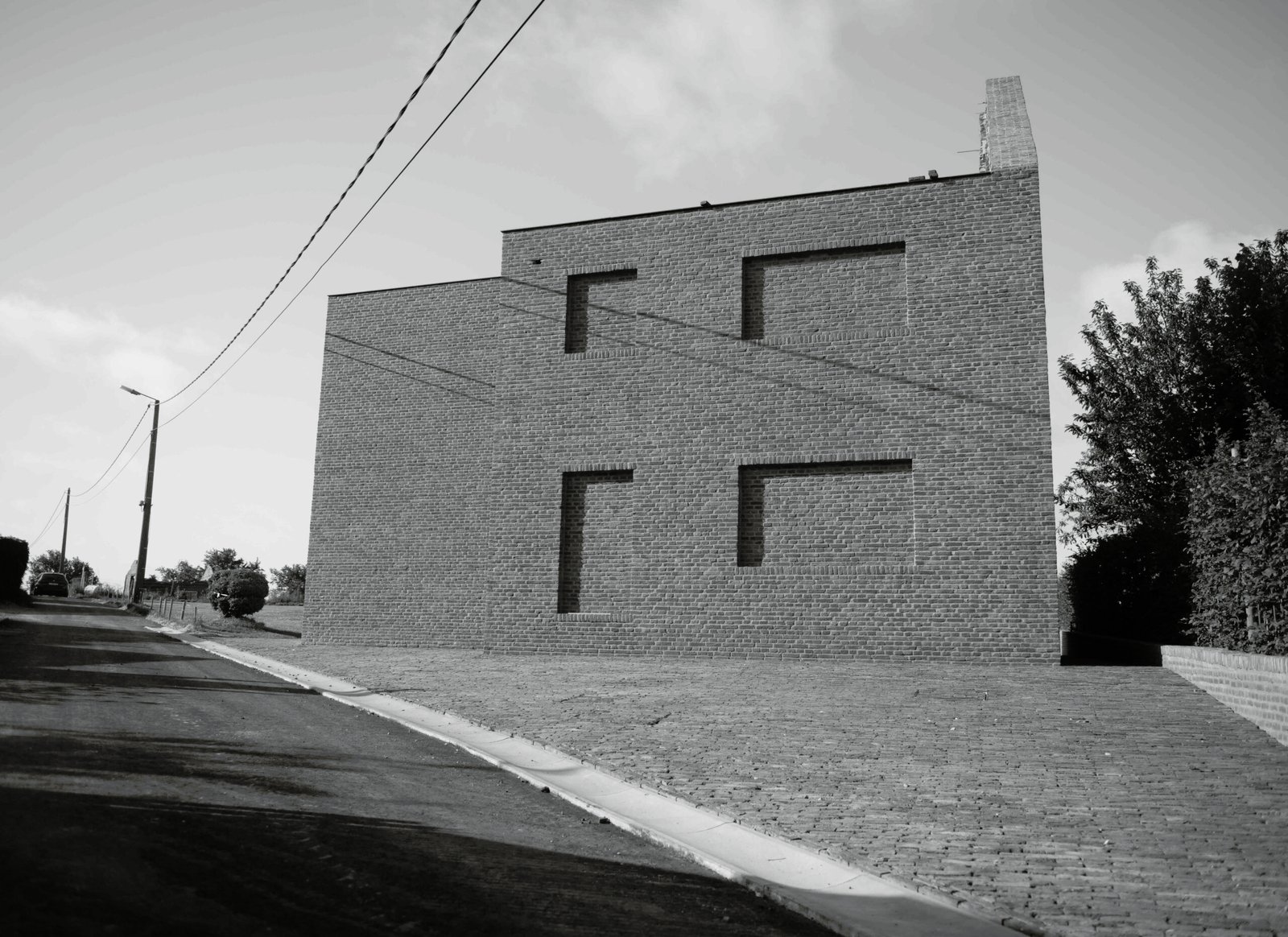
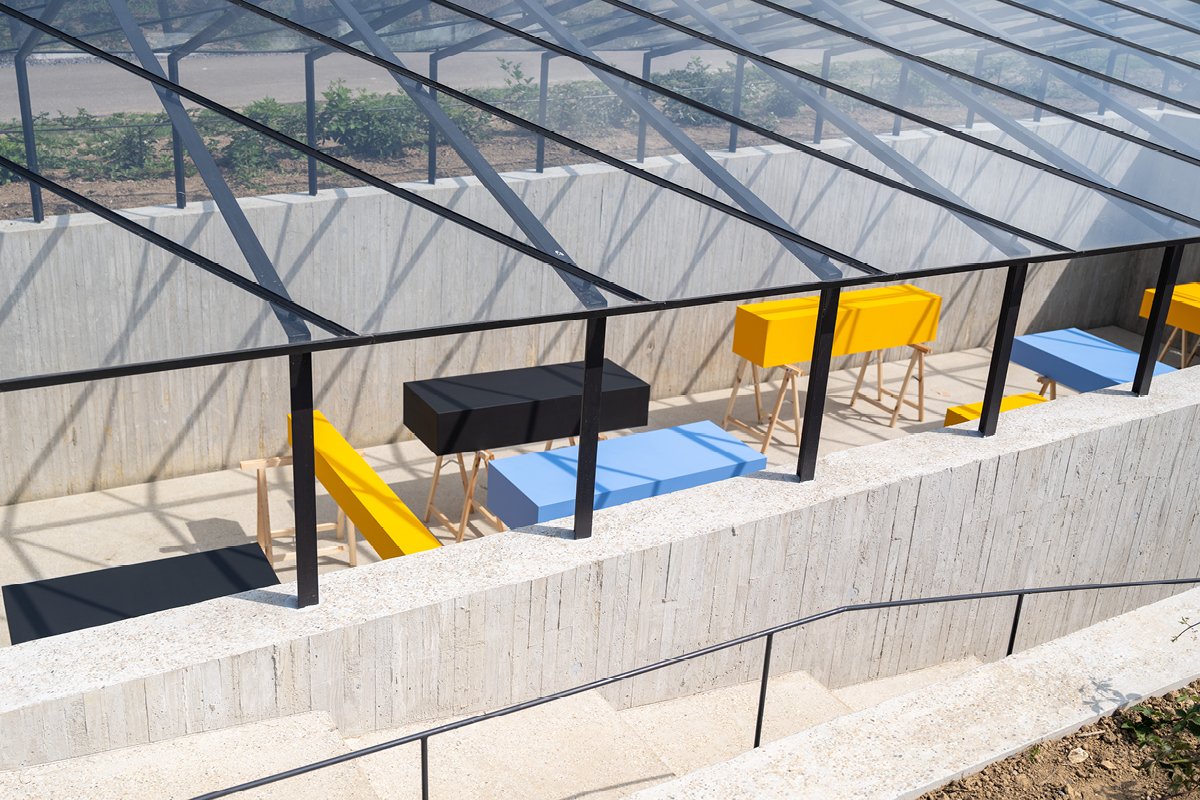
Since 2005, Gert Robijns has been developing Re set projects across South Limburg, Belgium. The catalyst was an incident during the Delicious exhibition, in which the work Summer Love was damaged. Featuring an overturned car and a taxidermy dog resting on its back inside a miniature vehicle, the installation was misunderstood by the local community and physically altered. This rupture sparked a fundamental inquiry: how can an artistic intervention disrupt yet simultaneously reconnect? At the mayor's request, Robijns proposed reconstructing 75% of his native village—including its church and rectory—as an all-white model positioned at the edge of an airstrip. The village was distilled into a recognizable yet radically open form, conceived as a blank slate that invites reinterpretation and communion. Five years later, Robijns acquired his grandparents' house. The structure was largely dismantled and shifted just 10 centimeters—a minute yet deeply resonant displacement. Through Re set Home, the house reemerged as a brick volume woven among neighboring dwellings. Rather than yielding a sealed sculpture, the project gave rise to an inhabitable structure—a sanctuary for dialogue with artists both local and global. Beginning in 2015, the Reset concept expanded into the surrounding landscape. Working with scale models, Robijns explored how agricultural cycles and materials could serve as catalysts for a total work of art. An initial proposal on farmland at the Bollenberg met with fierce resistance and was ultimately relocated to the site of Reset Home. In 2026, Reset Haspengouw took shape. Simultaneously, Re set Home grew to encompass two new environments: Reset Studio, a former warehouse transformed into a creative workspace, and Re set Greenhouse, a semi-subterranean glasshouse dedicated to probing artistic and alternative encounters within and around the land.