RE SET HOME
RE SET GREENHOUSE
RE SET STUDIO
RE SET BOLLENBERG
TONGEREN – BORGLOON
RE SET MOBILE TOKYO
TONGEREN – BORGLOON
PROGRAM 2027
01
John Körmeling
Artist in residence · 2027
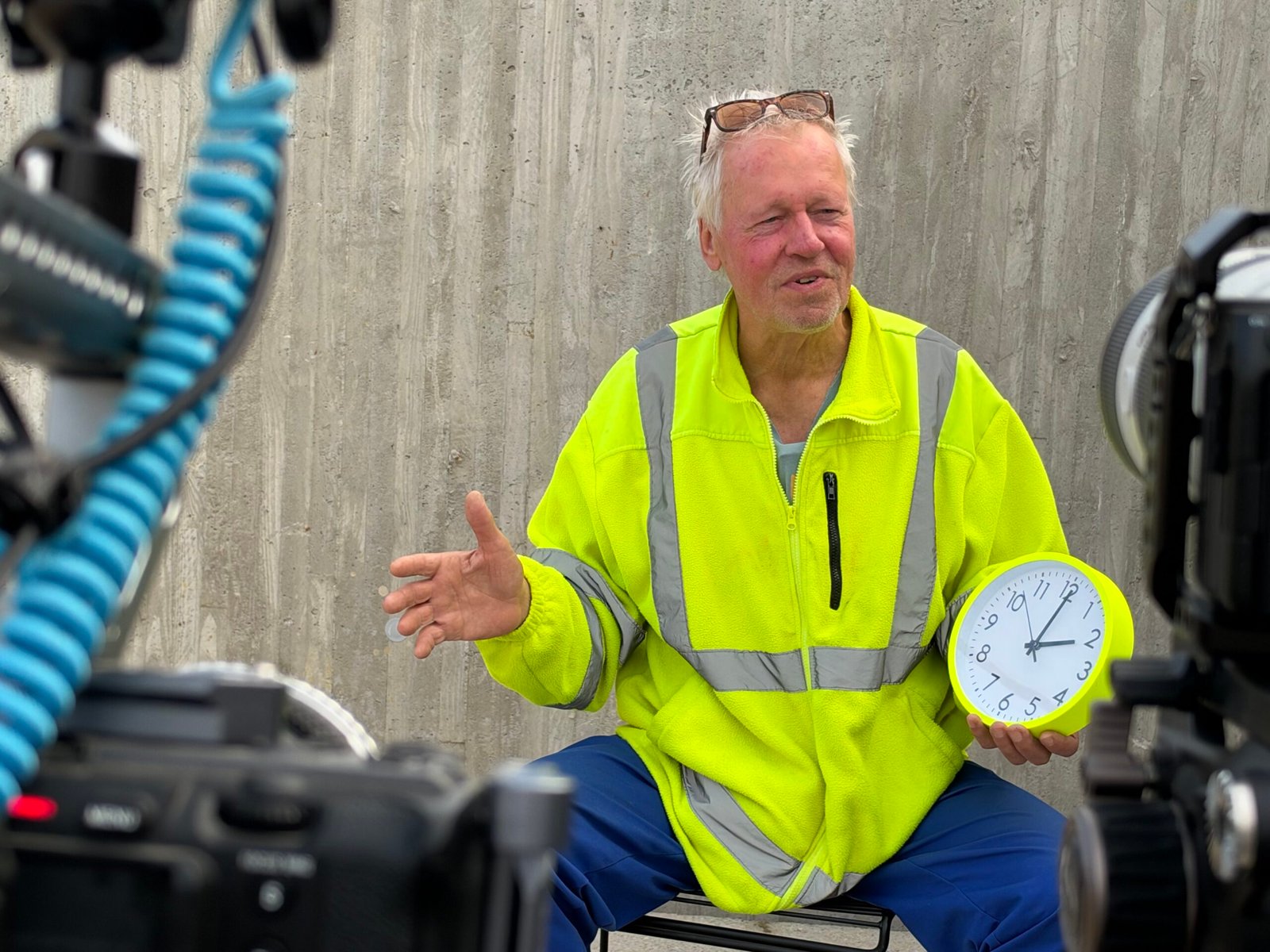
As part of re set Einstein Telescope, artist and architect John Körmeling visited re set home. In this conversation, he reflects on his practice, his fascination with architecture, origin, proportions, and the true measure of things.

03
Free space
Open for proposals

PROGRAM 2026
Koen van den Broek
Gert Robijns
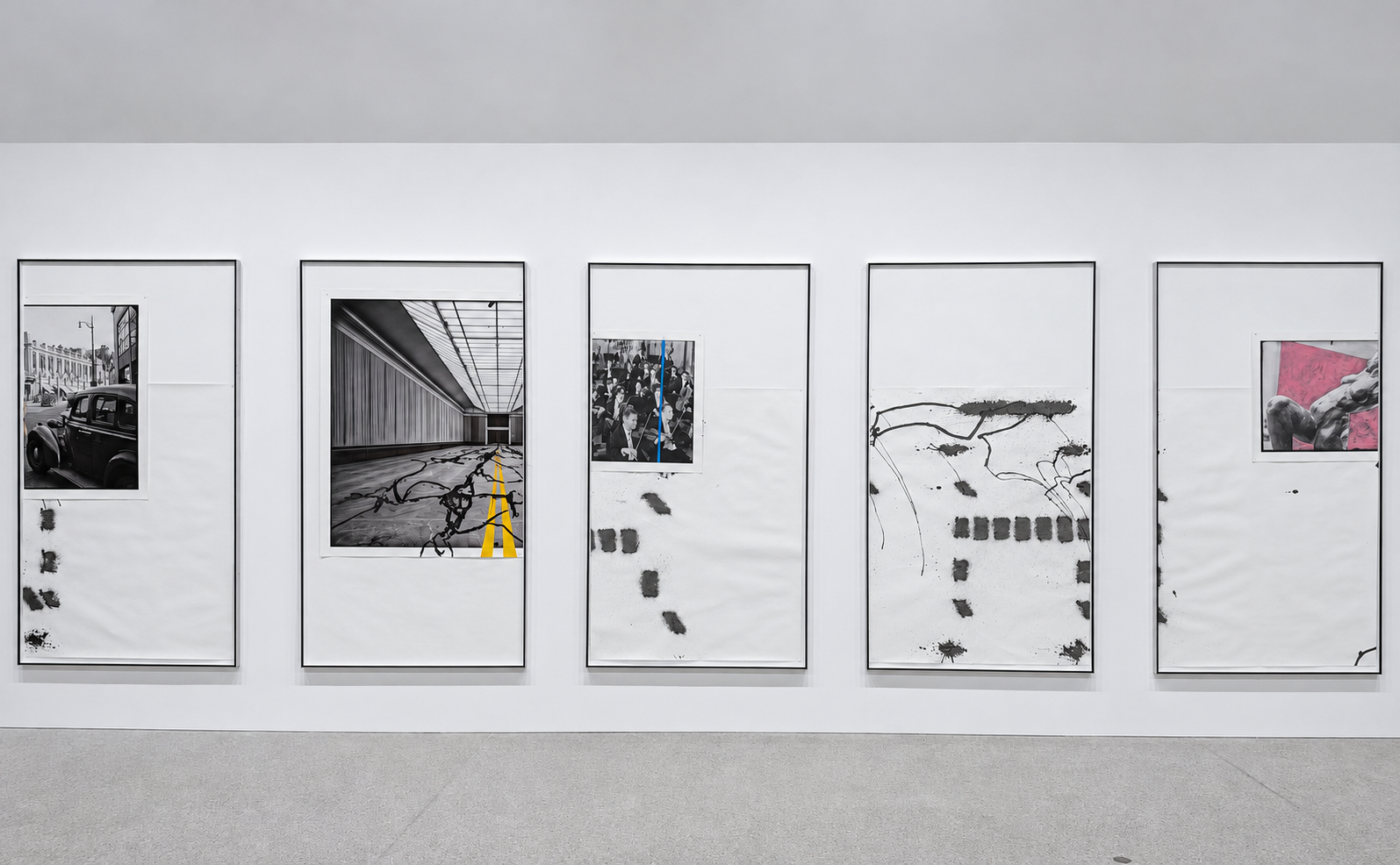
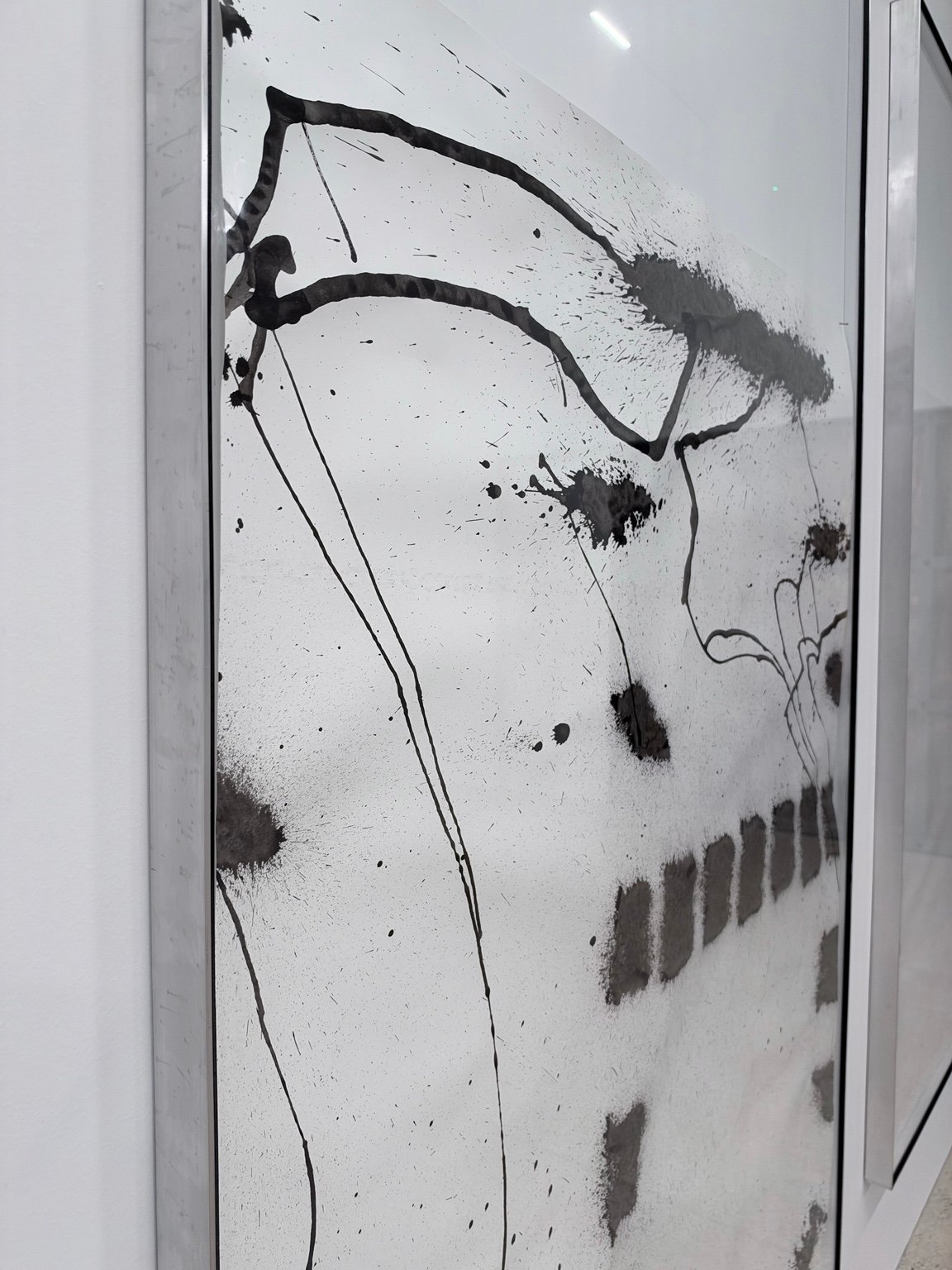
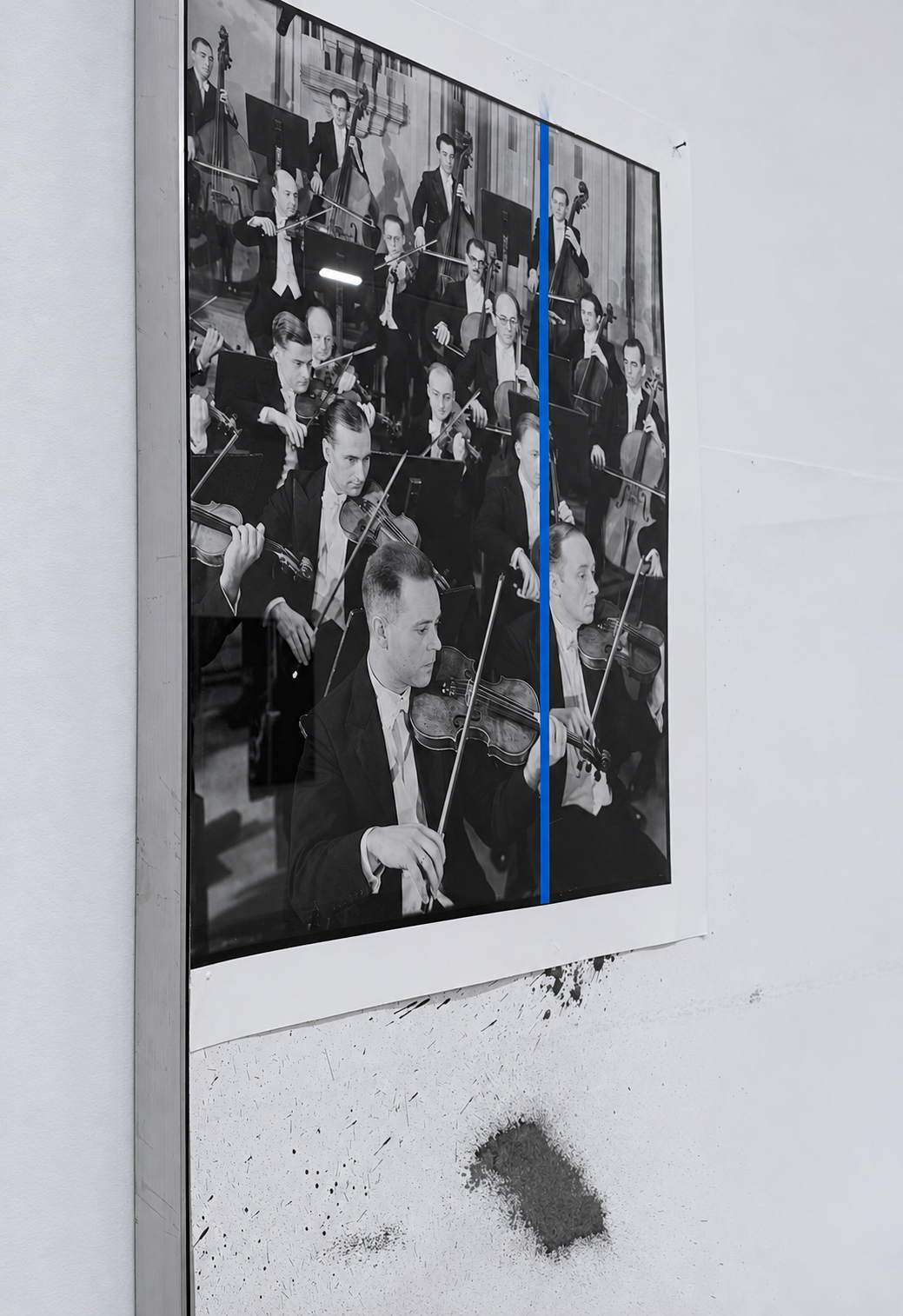
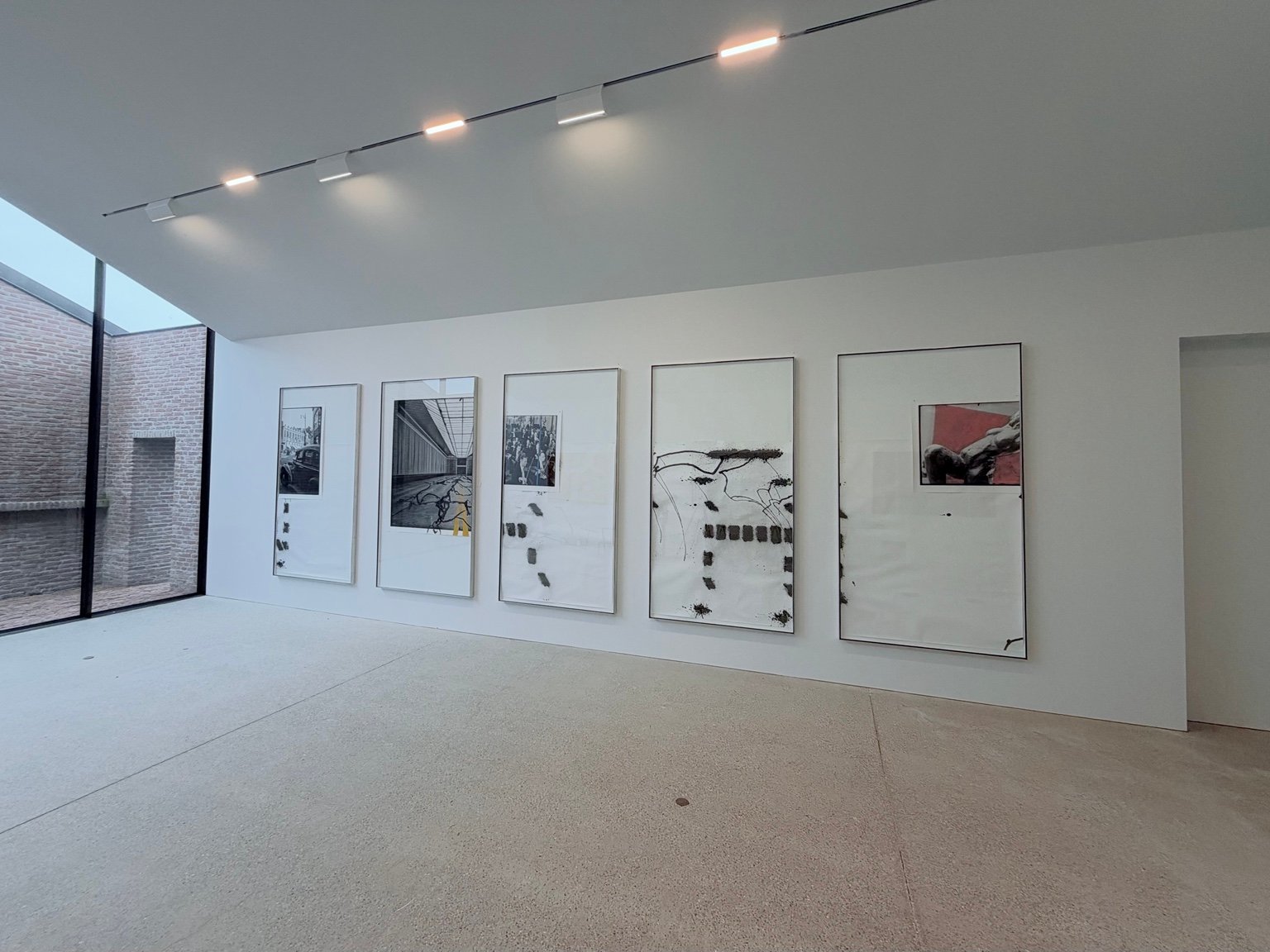
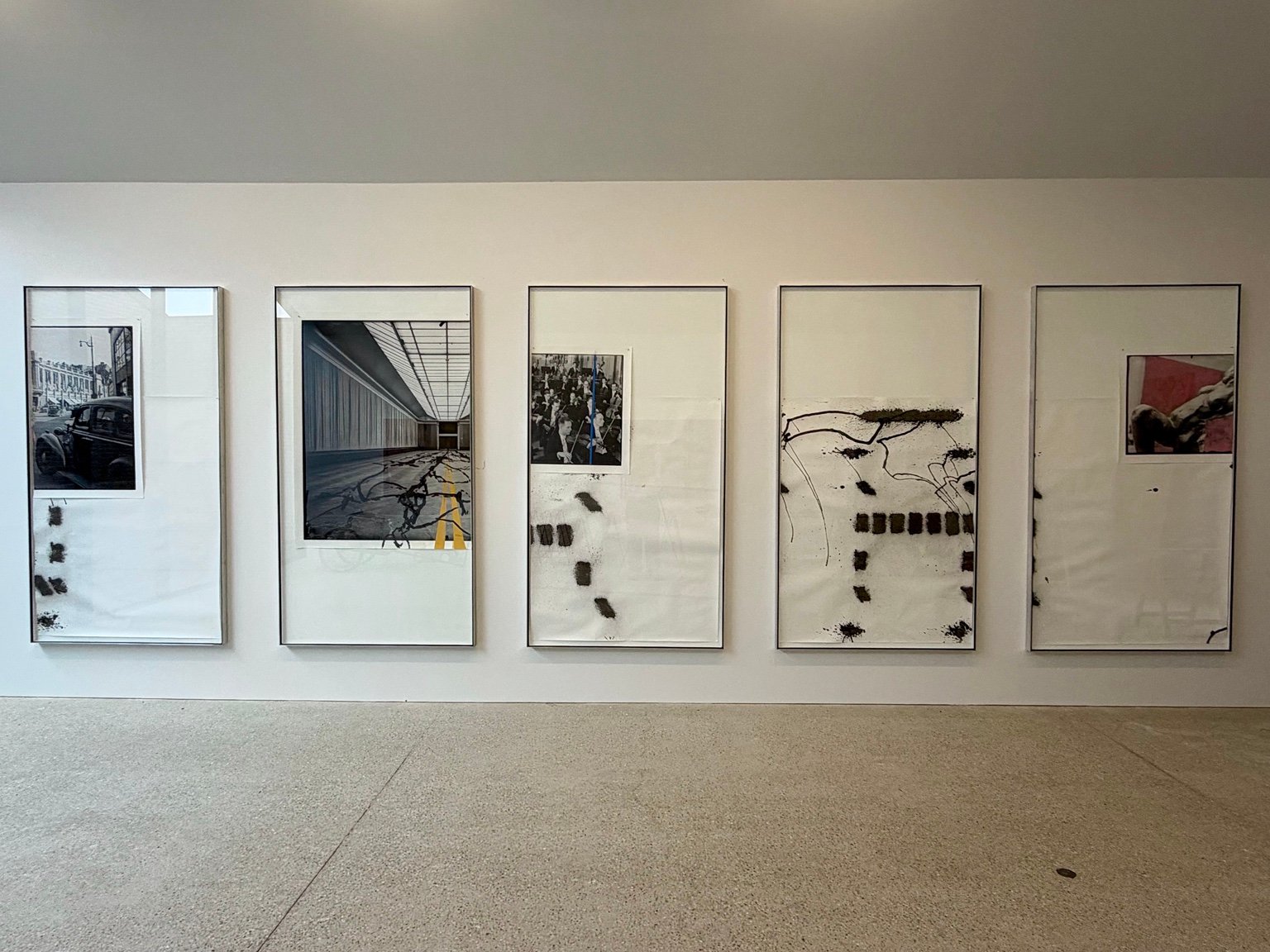
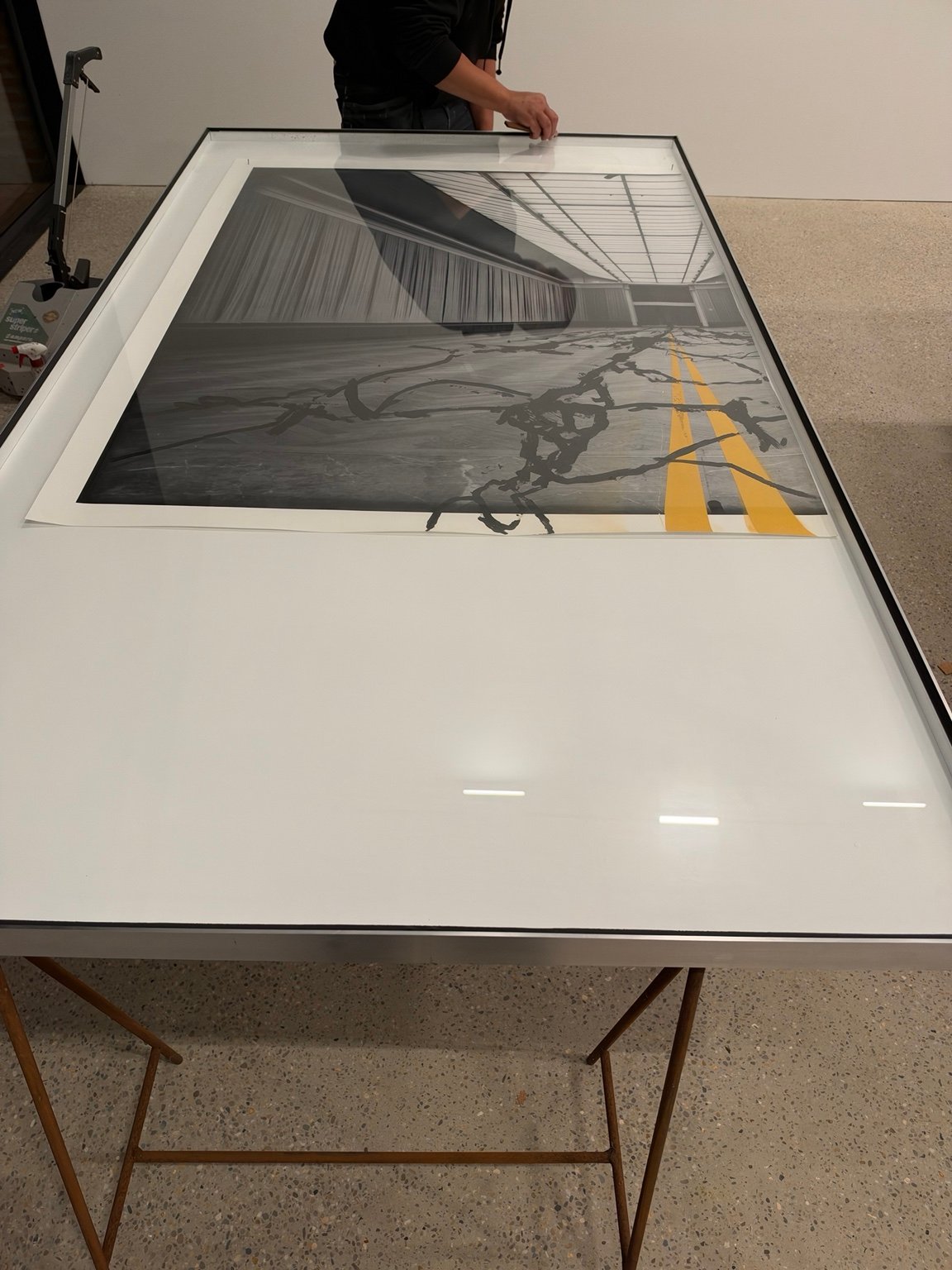
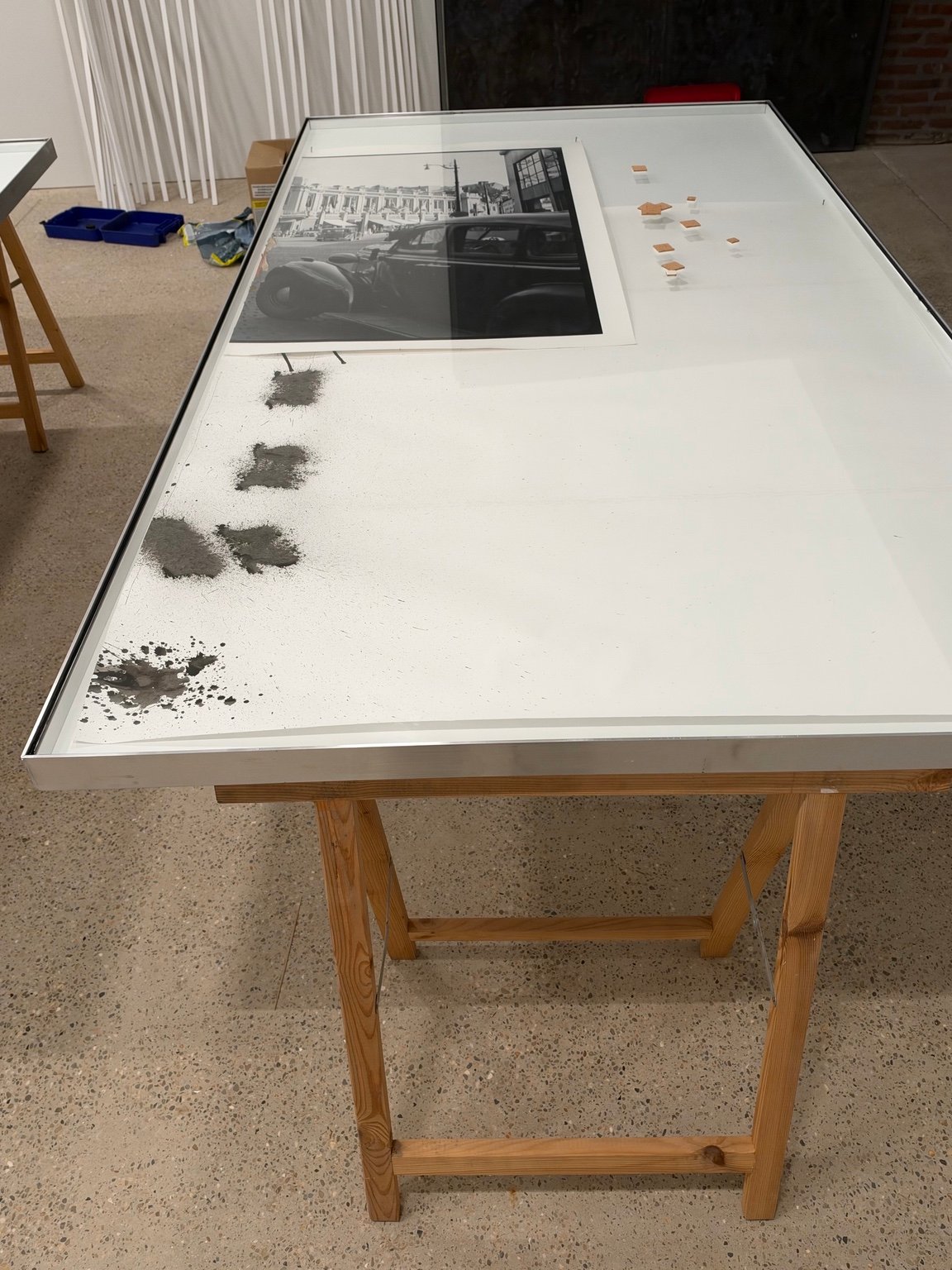
Inject 1–15
A collaboration at Re set.
Aluminum, wood, paper, glass
220 × 120 cm
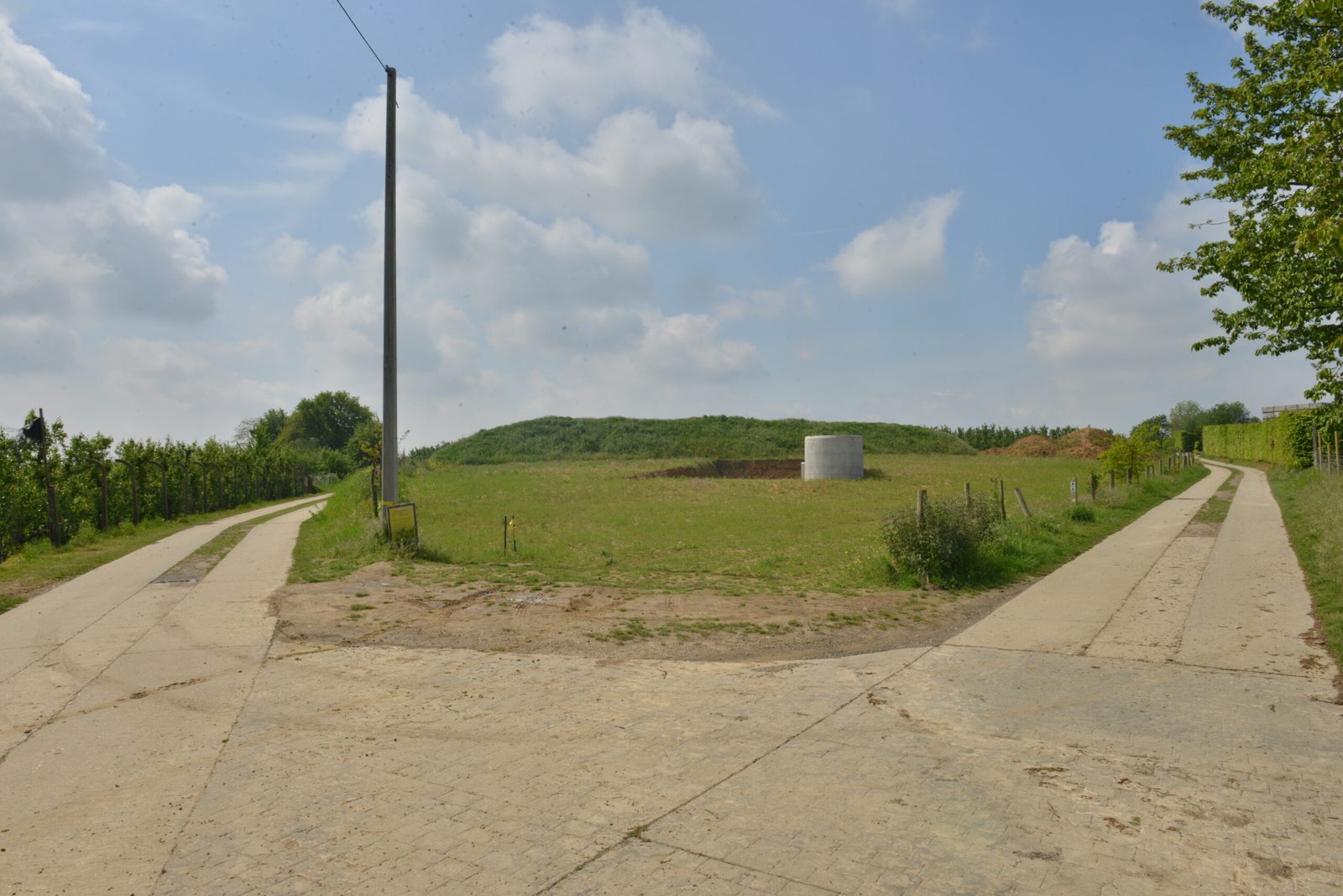
Reset Home—later expanding into Reset Haspengouw—is an artist-led initiative rooted in the artistic practice of Gert Robijns. Ever since 2010, when he meticulously reconstructed his native village ten kilometres away in Sint-Truiden, Robijns has continuously interrogated the Haspengouw region, reimagining its landscape through ever-shifting perspectives.
Within this setting, artists are invited to deepen their practice in dialogue with the surrounding environment. What unfolds is an interplay between creative inquiry and landscape, continuously challenging and reframing both.
Reset Home
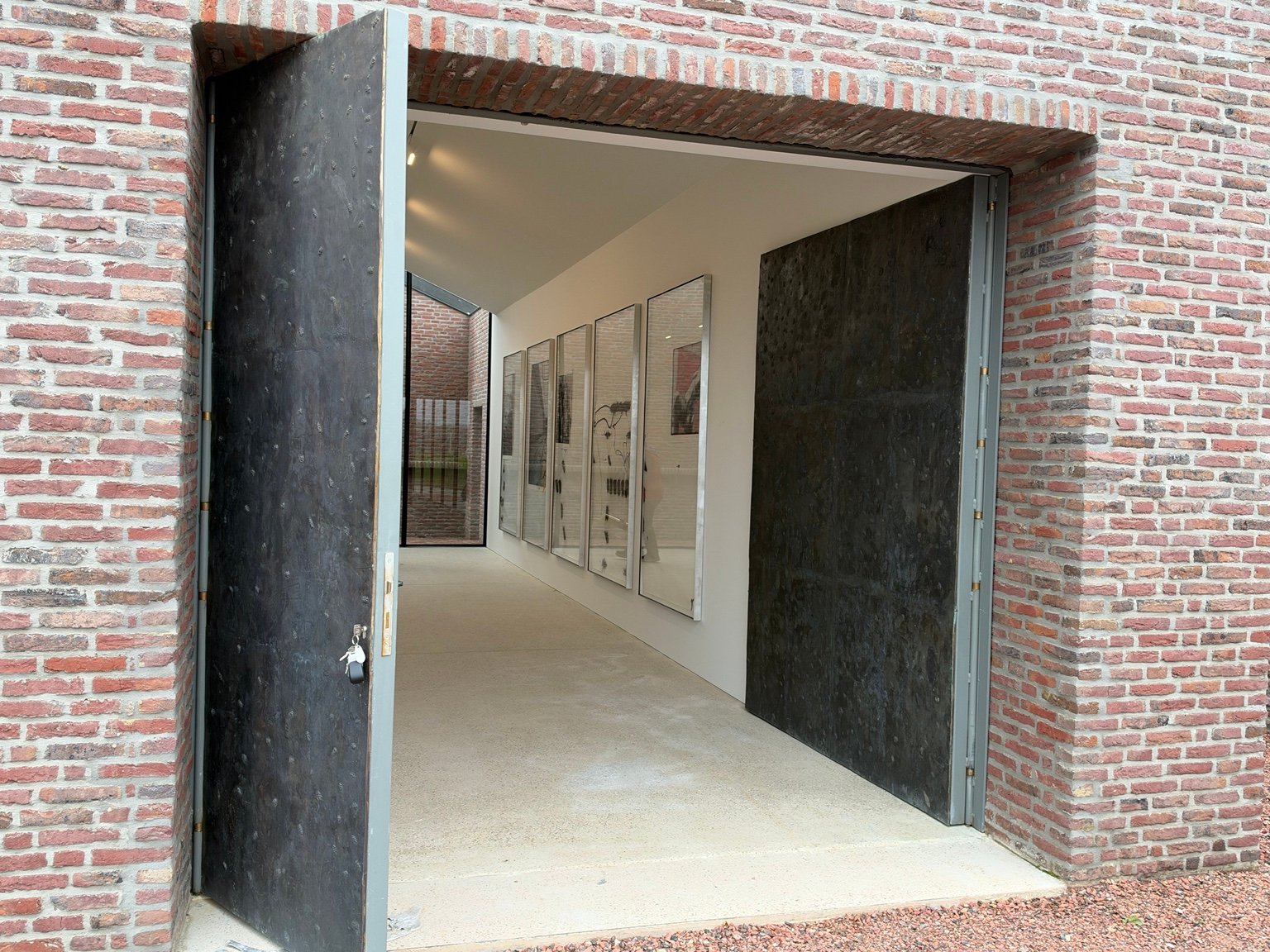
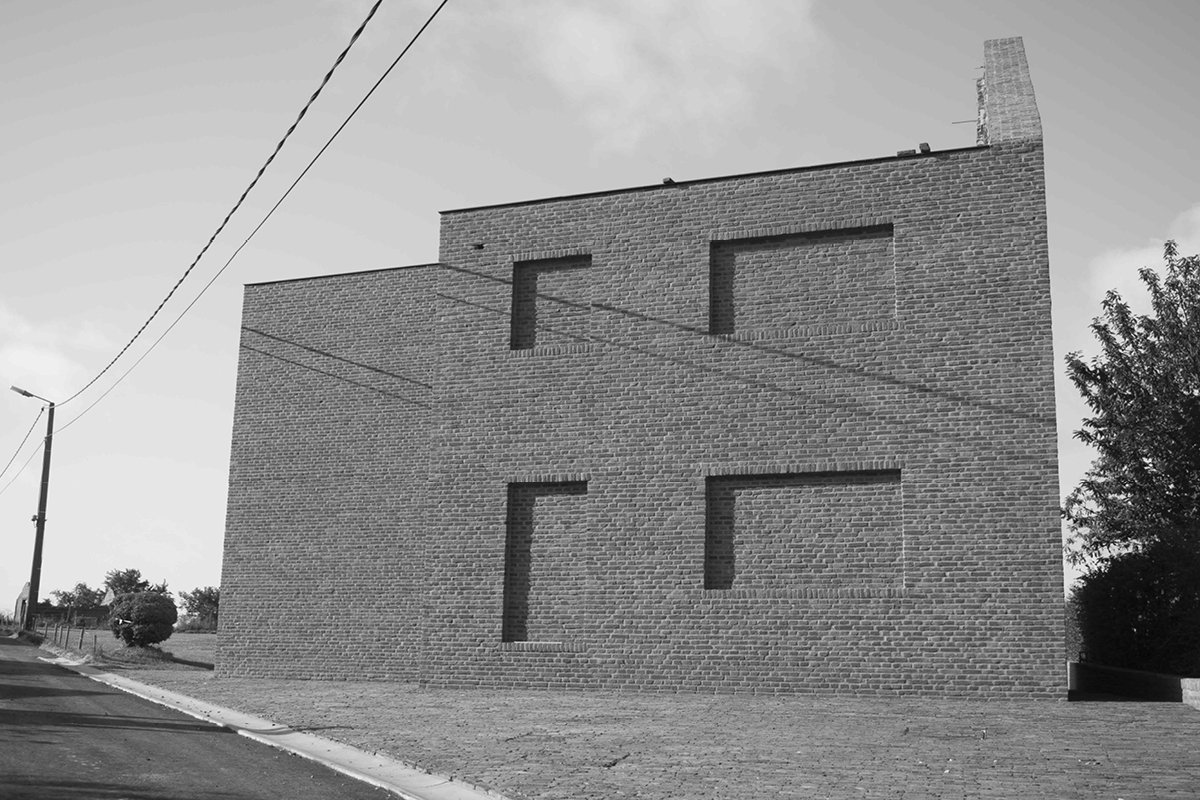
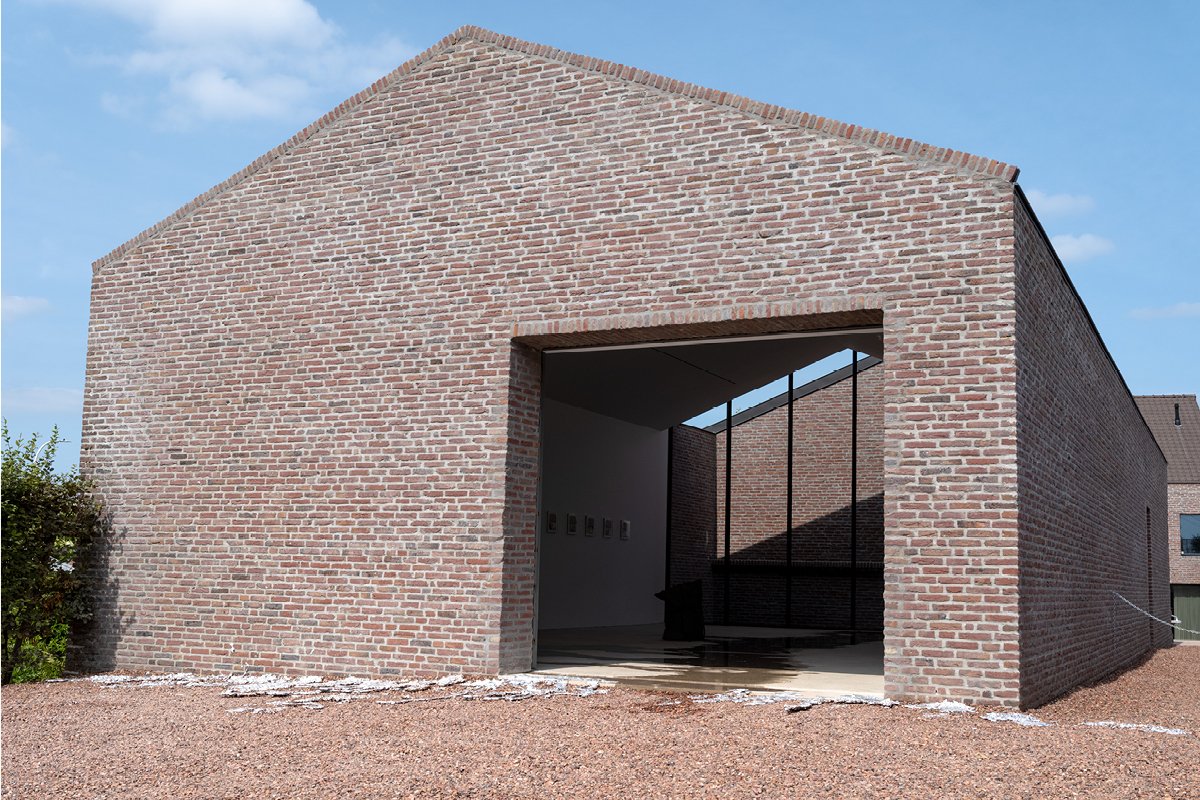
The departure point is a former family dwelling, dismantled and stripped down to two walls. The original house remains legible through brickwork that simultaneously delineates and seals the window and door openings, giving way behind them to new volumes where artists are invited to unfold the project further.
Re set Greenhouse
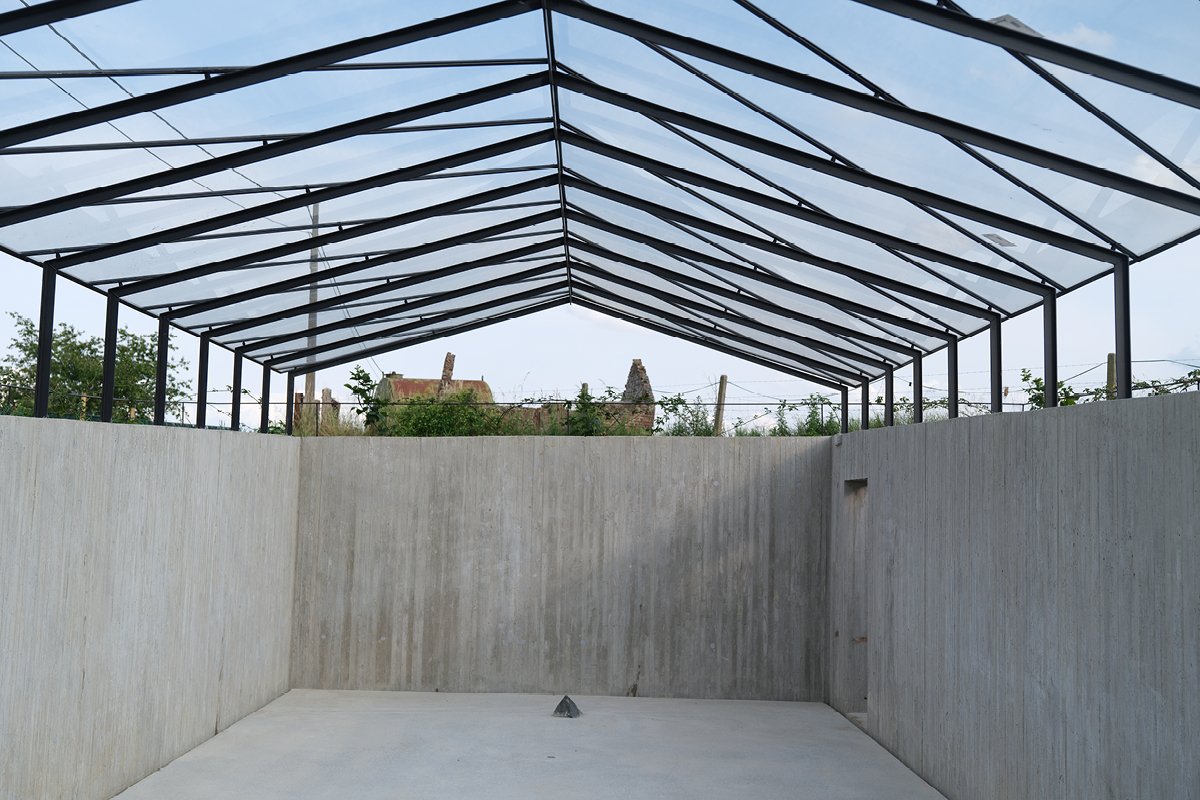
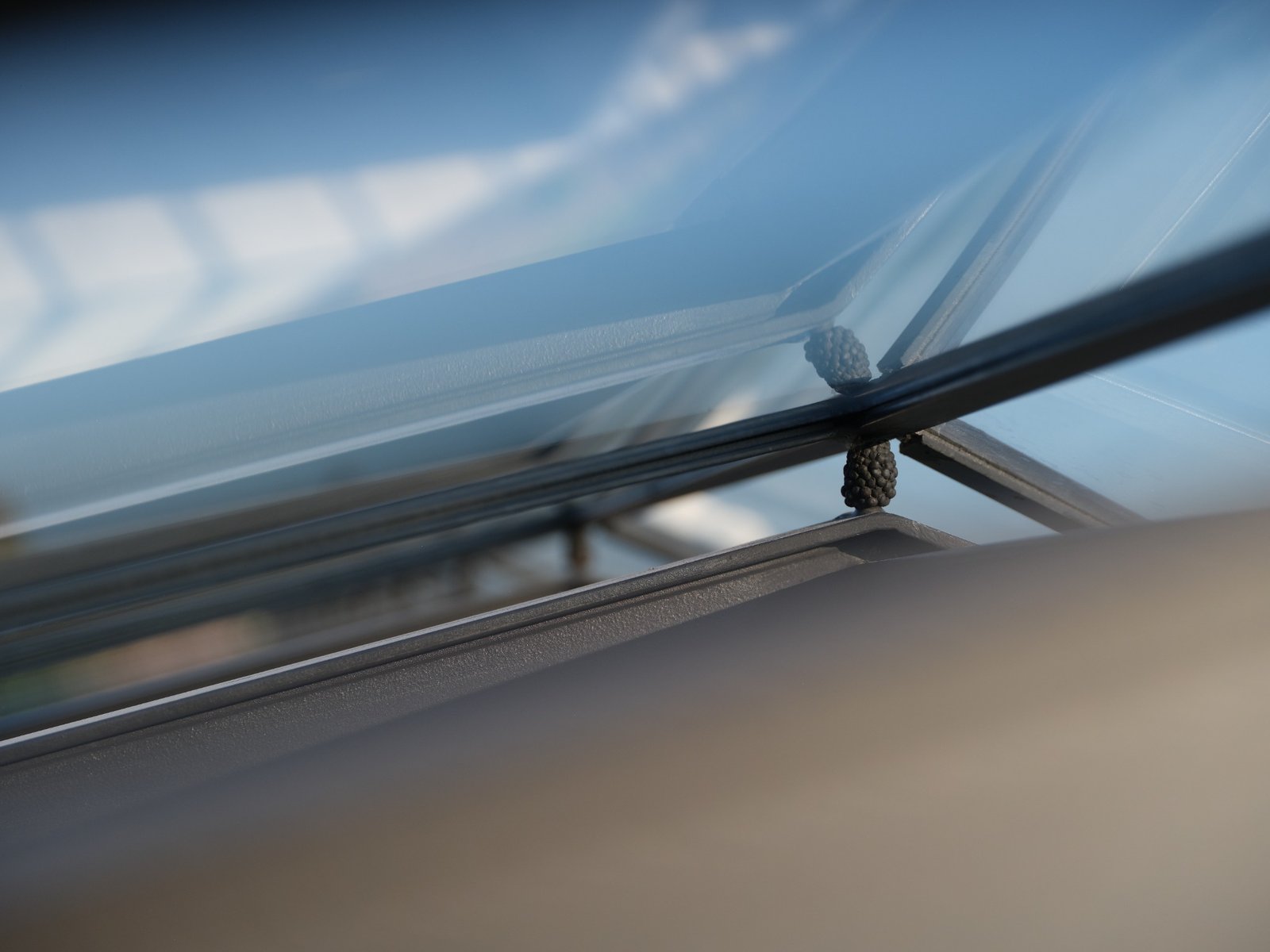
Two complementary volumes were added to this core structure, coming together as a singular spatial ensemble. The first is a semi-sunken greenhouse embedded in the terrain, existing in direct, visceral dialogue with the surrounding landscape.
Re set Studio
The third component is an existing shed reimagined into a studio, conceived as an open ground for production and exhibition
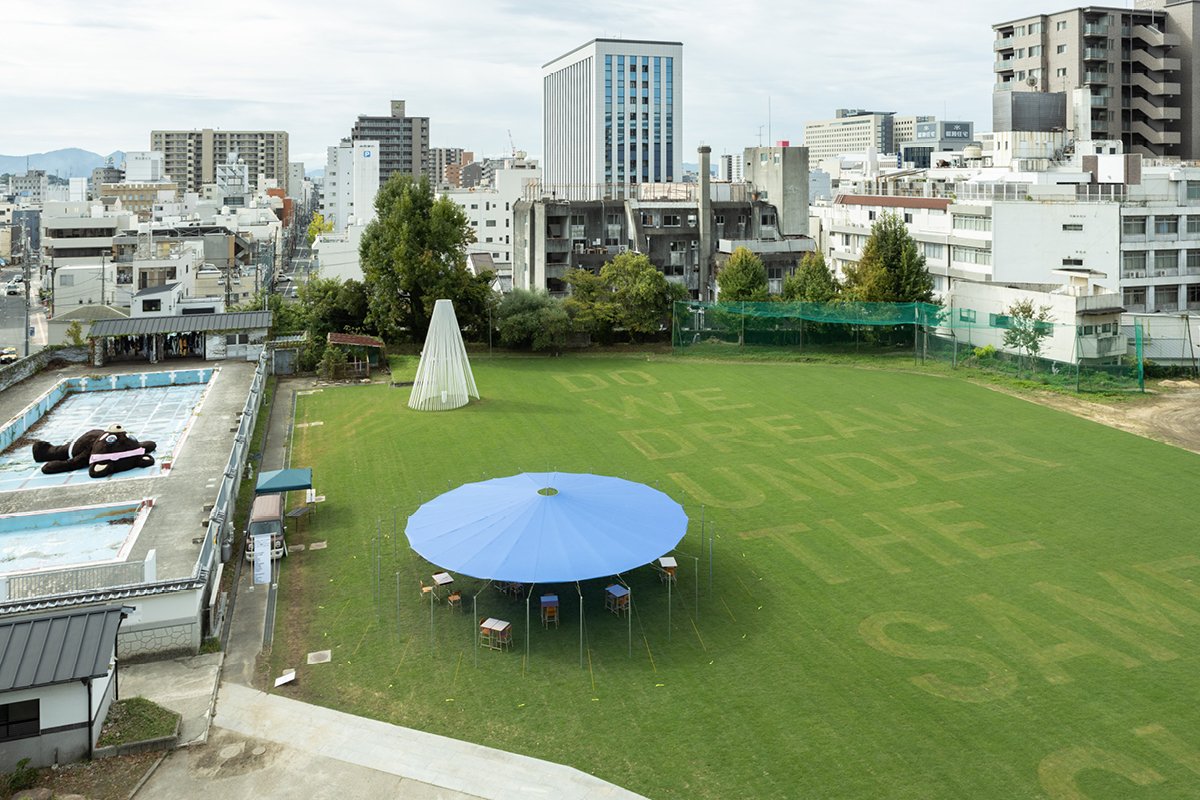
Reset Mobile
Reset Mobile is a project by Gert Robijns conceived as an intuitive response to the lockdowns of the COVID era. Born from a yearning for motion, exchange, and self-determination, it was developed in collaboration with young architect Seppe Claes as a mobile sanctuary for work and encounter—liberated from fixed sites and institutional frames.
The framework of Reset Mobile unfolds from a single central mast anchored by 24 cords, which together trace the mobile structure's weight-bearing geometry. This structural logic was cast across a world map: each cord assigned a number, corresponding to a geographic meridian. Through this cartography, Reset Mobile navigated along line 18 toward Japan and traced line 23 to Iceland.
Today, Reset Mobile serves as the dynamic pulse of the Reset practice. Drifting through diverse contexts, the project gathers experiences, fleeting encounters, and scattered insights, channeling them back to Reset Home to be unraveled, examined, and shared.
24 pillars
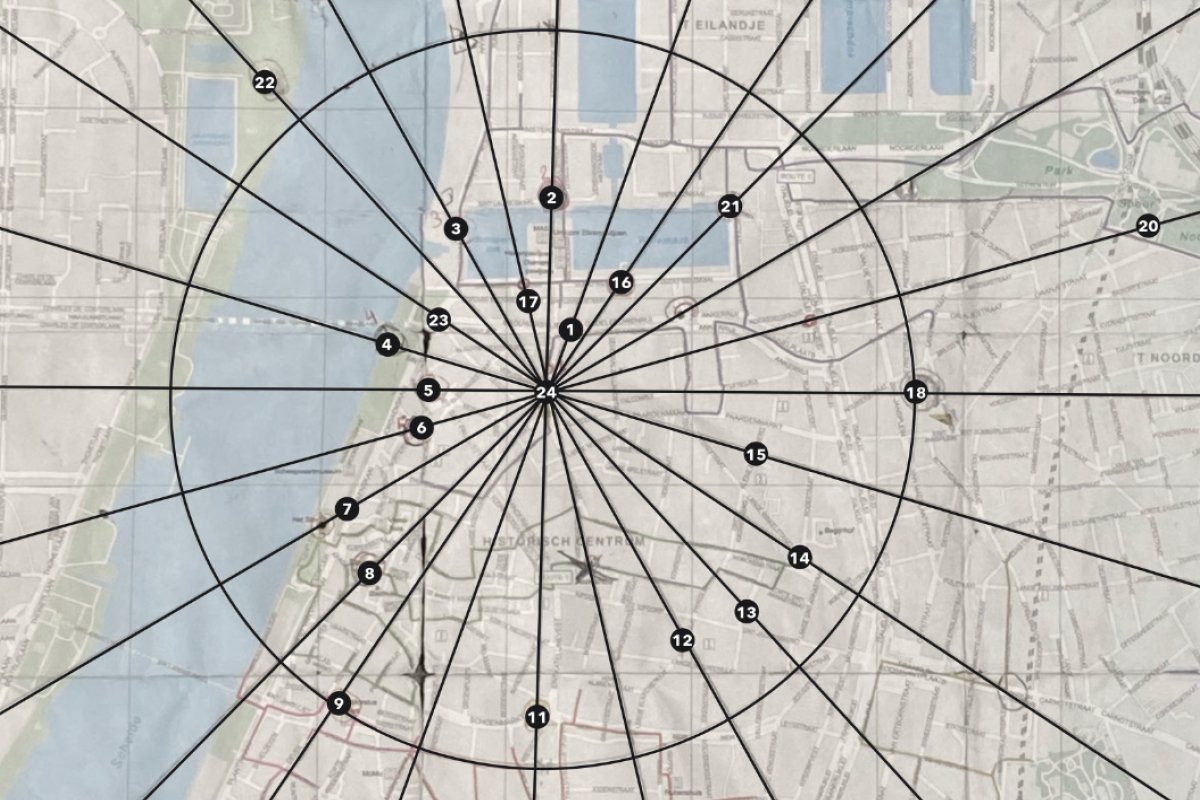
The 24 Poles project unfolded in the wake of the journey to Japan with Reset Mobile and the subsequent film, Ruch Ruch. Along this path, an imaginary grid was cast across the globe from a single focal point, its lines radiating outward to weave disparate places together.
Upon returning, this conceptual framework was rekindled in Antwerp. From the Tommy Simoens Gallery on Falconplein, the grid was reawakened—this time not spanning the planet, but intimately mapping the city itself. Twenty-four lines cast out from the gallery, threading through Antwerp's urban fabric.
Along these trajectories, twenty-four sites were pinpointed, claiming existing posts and pillars within the cityscape. Attached to these structures are drawings that act as free poles throughout the city. These works take their cue from film stills of Ruch Ruch, chosen during the editing process and later reimagined as drawings.
In this way, twenty-four coordinates materialize across Antwerp, coalescing into an ephemeral network of artistic interventions. Each pole transforms into an open, liberated canvas, welcoming artists to leave their mark.
Thus, the project loops from the pilgrimage across Japan back into the heart of the city, rendering the invisible grid tangible once more within the public realm.